
By Seda Ozdemir Simsek, TPF Earthquake Fund Lead
Three years after the February 6, 2023 earthquakes, one lesson stands out above all others: recovery is not a linear process.
In the immediate aftermath of disaster, needs are visible and urgent. People need food, shelter, medical care, and safety. As time passes, however, recovery becomes more complex. Communities begin confronting challenges that are less visible but no less important: rebuilding local economies, supporting mental health, creating opportunities for young people, strengthening institutions, and restoring a sense of possibility about the future.
These are not challenges that can be addressed through a single intervention or funding cycle. They evolve over time, requiring local leadership, adaptability, and strong networks of support.
Over the past three years, we have had the opportunity to work alongside 96 partner organizations implementing 187 projects across the earthquake-affected region of Türkiye. Through these partnerships, we have witnessed something important: recovery is often driven not by individual projects alone, but by the growth of local organizations and the relationships that enable communities to respond to changing needs.
Lessons from the Field
I was reminded of this recently while meeting with Hatay Surf Center. Two years ago, the organization operated from a single container on the shores of Samandağ, providing children and young people with a sense of stability and connection through surfing and community-based recovery programs. In late April, I sat with their team in Istanbul as they convened NGO leaders, funders, and communications specialists to discuss their long-term strategy.
What began as a grassroots initiative responding to the immediate aftermath of disaster had evolved into an organization actively shaping its future and contributing to the broader recovery landscape. TPF was Hatay Surf Center's first institutional funder. Today, the organization engages a much broader network of supporters and collaborators. Their journey reflects a pattern we have seen repeatedly across the region: local organizations growing in confidence, expanding their networks, and increasingly leading the next phase of recovery themselves.
That evolution rarely happens overnight. It emerges through years of learning, adaptation, relationship-building, and investment in local leadership. Over time, those relationships created the trust needed to see needs, opportunities, and challenges that might otherwise have gone unnoticed. Recovery is not static. As needs evolve, effective support requires ongoing learning, flexibility, and close engagement with communities themselves.
One example of this evolution involves young people. In the early months following the earthquakes, much attention was understandably focused on meeting urgent humanitarian needs. Yet as recovery progressed, many partners began highlighting a different concern: the long-term impact of displacement, uncertainty, and limited opportunities on adolescents and young adults.
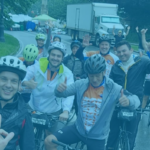
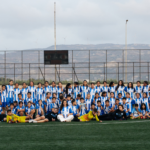
These challenges were not always visible in traditional recovery frameworks, but they emerged consistently through conversations with local organizations. Buradayız Hatay, a local-led initiative established after the earthquake, is one example of how communities responded. What began as a local effort has grown into a platform that attracts support from multiple institutions and creates opportunities for young people to participate in shaping their communities' future.
Similar patterns emerged across many organizations. As local groups strengthened their operations, communications, and organizational capacity, they became better positioned to attract new partnerships and resources. Organizations that were once focused primarily on immediate response increasingly began engaging in long-term planning, pursuing larger opportunities, and contributing knowledge drawn from their own experiences.
This points to an important reality about disaster recovery: some of the most significant outcomes emerge gradually. They are found in stronger institutions, deeper community trust, expanded collaboration, and local leadership that continues long after the initial emergency has passed.
What we are witnessing in Türkiye is not simply recovery from a single event. Communities are navigating the long-term effects of disaster while also responding to economic uncertainty, climate-related risks, and other overlapping challenges. In this environment, flexibility, continuity, and local knowledge become increasingly important.
Building the Recovery Ecosystem
One of the less visible effects of long-term recovery is the gradual emergence of a broader ecosystem of relationships around local organizations. As organizations strengthen, new opportunities for collaboration, learning, and support begin to emerge.
Over the past three years, many of our partners have had opportunities to connect with international funders, participate in joint field visits, share their work with broader audiences, and engage directly with peers and practitioners from outside the region through TPF’s efforts. Some of these connections were facilitated through introductions, convenings, and partnerships that brought local organizations into wider philanthropic networks. Others emerged because organizations themselves had grown in capacity, visibility, and confidence, becoming better positioned to attract new supporters and pursue opportunities independently. More often than not, it was a combination of both.
This evolution was visible across many of our partnerships. As organizations strengthened their communications, refined their strategies, and expanded their operational capacity, they became better equipped to tell their own stories and articulate their vision for the future. New funders took notice. Partnerships expanded. Organizations that once focused primarily on delivering immediate relief increasingly found themselves shaping longer-term conversations about recovery and resilience.
Some of the most meaningful moments emerged through these exchanges. Colleagues from the Center for Disaster Philanthropy visited the region to engage directly with local organizations and understand their work firsthand. GlobalGiving helped bring international attention to the experiences and insights of our partners. These opportunities were not simply about fundraising; they were about creating pathways for local organizations to be seen, heard, and recognized as leaders in their own right.
What emerged was more than a collection of grants or projects. It was a growing network of relationships, trust, and shared learning. Organizations that had spent years responding to extraordinary challenges found themselves increasingly connected to a wider community of supporters, practitioners, and funders. In many cases, these relationships outlasted individual grants and opened doors to new forms of collaboration.
Recovery ecosystems do not emerge automatically. They are built through relationships, trust, shared learning, and investments that help local organizations become visible, connected, and equipped to engage with a broader community of supporters. When this happens, recovery becomes more than rebuilding what was lost; it becomes the foundation for stronger, more resilient communities capable of navigating what comes next.
Organizations that were once viewed primarily as recipients of assistance are increasingly recognized as sources of expertise and insight. Their experiences offer valuable lessons not only for Türkiye but for disaster recovery efforts around the world.
Disaster recovery is often discussed in terms of reconstruction, funding, and infrastructure. These are critical components of the process. Yet recovery is also about people, institutions, and the systems that allow communities to adapt and move forward.
Three years after the earthquakes, the most important lesson may be this: recovery is ultimately shaped by the people and institutions that remain long after the emergency phase has passed. When local organizations have the resources, relationships, and confidence to lead, recovery becomes more than a return to what existed before. It becomes an opportunity to build something stronger.