
For three years, psychosocial support providers in the earthquake region have carried others while setting themselves aside. They listened. They intervened. They showed up, often while living through loss themselves. Slowly, quietly, their own reserves ran dry.
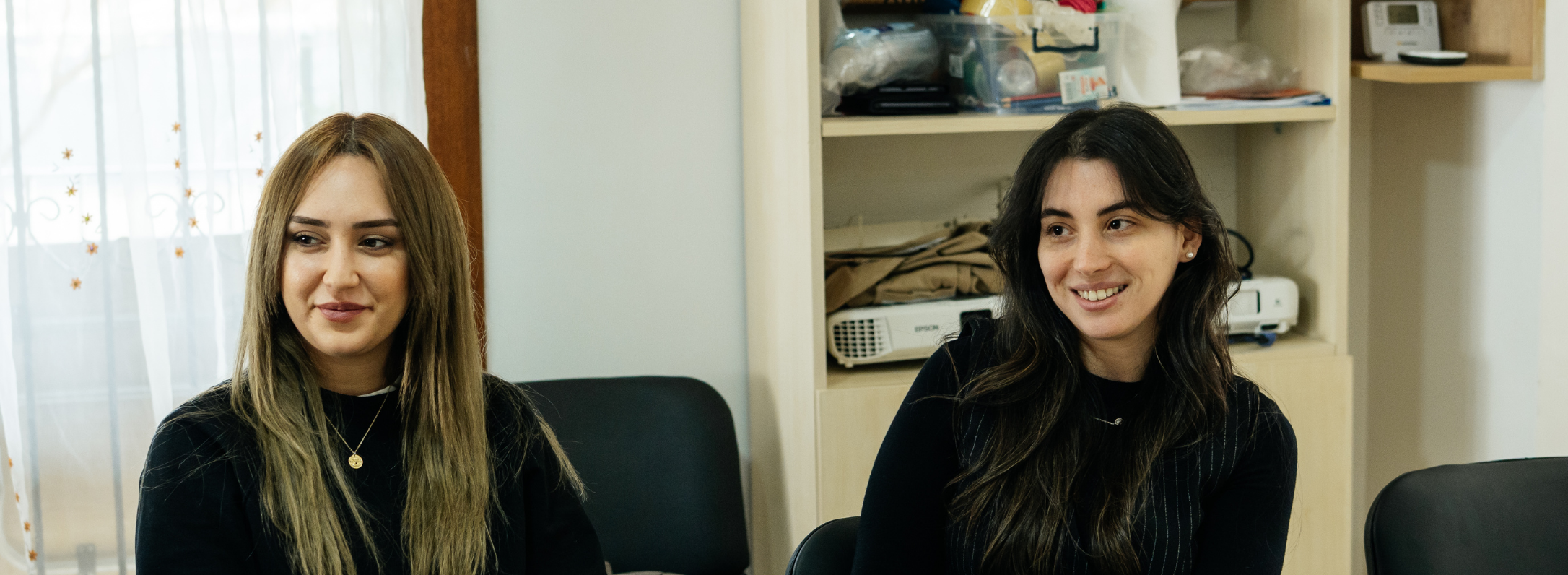
As YÖRET listened closely to practitioners across Hatay, a clear pattern emerged. What they needed was not just more tools but space: space to pause, to reflect, and to be human again. The program was designed to provide exactly that: a long-term capacity-building program for 30 psychosocial support providers working in post-earthquake Hatay.
One of the first and most impactful activities was a residential workshop in Arsuz, designed specifically for long-time field workers. The location was intentional: no containers, no construction zones, no reminders of rubble—just the sea, open sky, and space to rest. For many, it was the first time since the earthquake that they had slept through the night without interruption.
The days were gently structured—self-care workshops, body-awareness practices, and peer reflection sessions. Evenings brought simple comforts: shared meals, film nights, and long walks along the water. Beyond rest, the workshop created space for guided supervision where participants could discuss complex, emotionally demanding cases in a safe and structured way. These sessions didn’t just offer professional guidance—they helped providers untangle emotional burdens they had carried alone for months. Peer learning and reflection reduced the quiet weight of isolation and reminded practitioners that their experiences—and their pain—were shared. At the heart of the program was a renewed commitment to self-care. Through body-awareness exercises, group activities, and simple daily routines, participants were encouraged to reconnect with their own well-being—not as a luxury, but as a professional necessity. In general, the program had both immediate and measurable impact. Providers reported increased confidence, improved coordination, and stronger ethical practice. They spoke about shifts in mindset and practice. For many, the greatest change was internal.
By refilling the buckets of those on the frontlines, this program strengthened the entire psychosocial support system in Hatay. It ensured that care could continue, not through burnout and sacrifice, but through resilience, professionalism, and shared responsibility.